
Dying Without a Will (Intestacy) Explained
Understanding what happens to your estate when you pass away without a valid Will, and why making one matters for your loved ones.
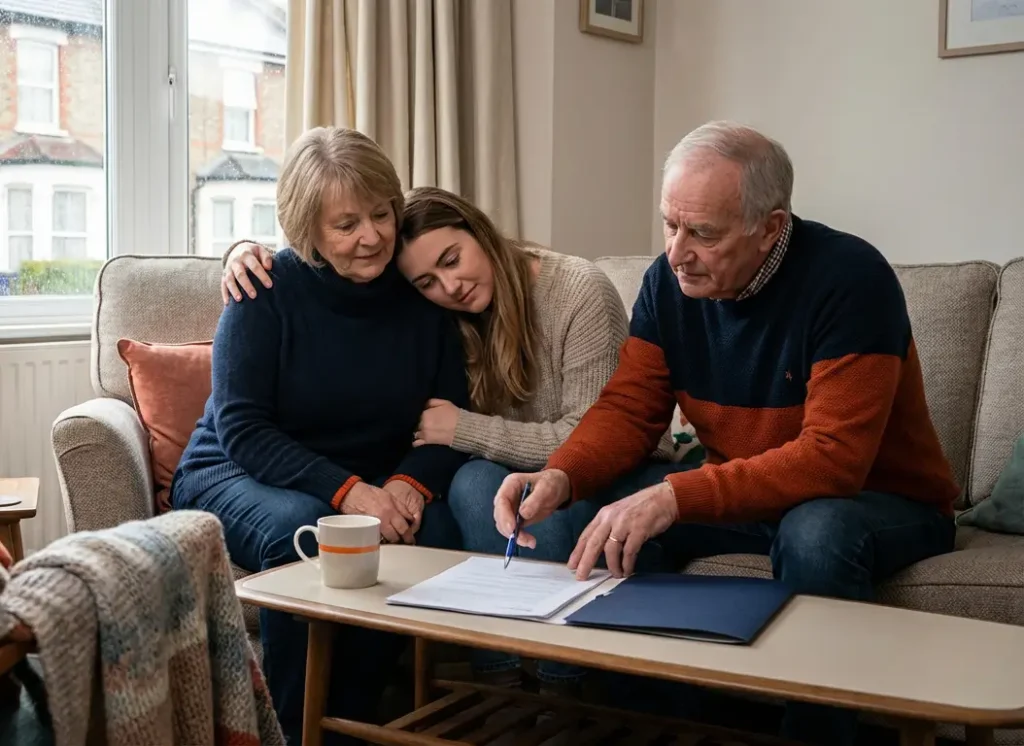
What Does It Mean to Die Without a Will?
If you die without a valid Will, you are said to have died “intestate.”
In these circumstances, the law decides who inherits, in what order, and how much — regardless of your personal wishes. For many families, intestacy creates confusion, delay, and outcomes that feel unfair or unexpected.
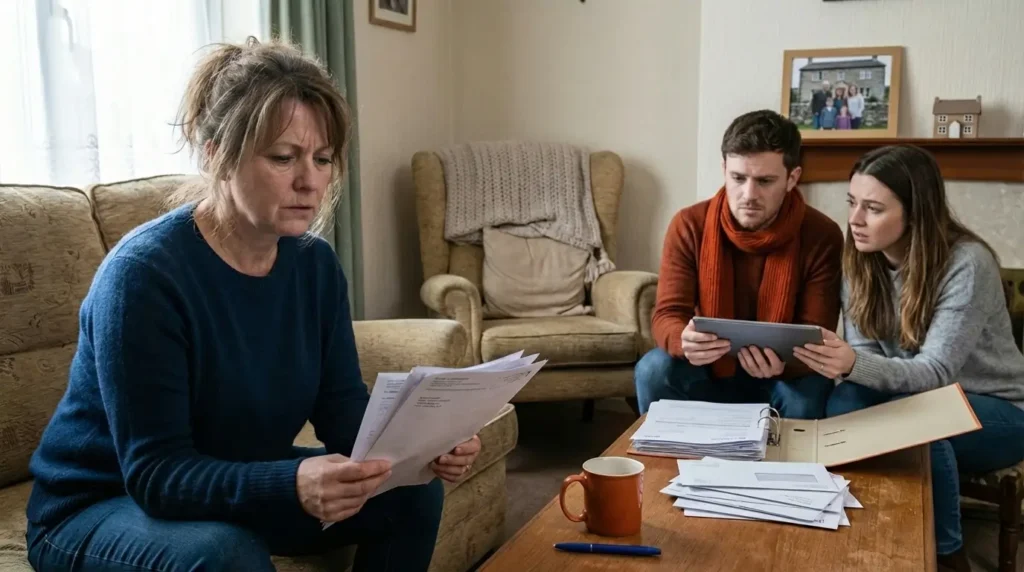
Key Consequences of Dying
Without a Will
Key Consequences of Dying Without a Will
Dying without a Will can have serious consequences, particularly for modern families.
Assets may pass to relatives you would not have chosen, while people you wanted to provide for may be excluded.
If you are not legally married or in a civil partnership, your partner does not automatically inherit, even if you lived together for years.
Stepchildren are not automatically recognised, and children may inherit assets at an age you would not have chosen.
Administering an intestate estate often takes longer and involves more
Unmarried partners may receive nothing.
Family members may face delays and stress
Outcomes may conflict with your wishes
Children may not be protected as intended
How the Intestacy Rules Work (At a High Level)
The intestacy rules set out a fixed order of inheritance, typically prioritising:
• A spouse or civil partner
• Children
• Parents
• Siblings and more distant relatives
If no eligible relatives can be found, the estate may ultimately pass to the Crown.
The rules do not consider:
• Personal relationships
• Financial dependency
• Family dynamics
• Verbal intentions
Situations Where Intestacy Causes Particular Problems
Intestacy often causes the most difficulty when:
• You live with a partner but are not married
• You have children from more than one relationship
• You want to leave specific gifts or charitable donations
• You want to choose who deals with your estate
In these cases, a Will is especially important.
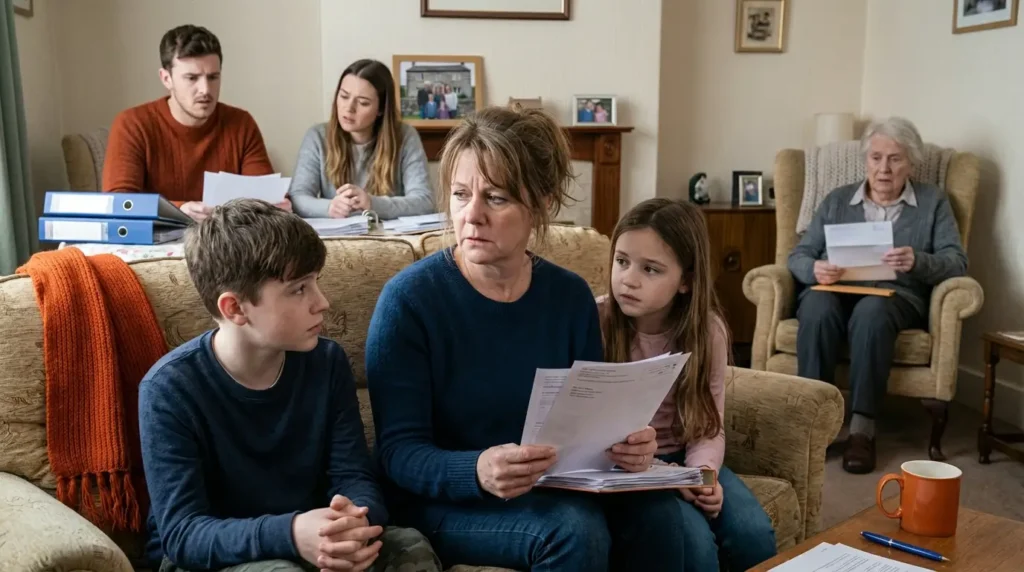
Why Making a Will Changes Everything
A Will allows you to:
• Decide exactly who inherits
• Protect partners, children, and stepchildren
• Appoint executors you trust
• Reduce delays, uncertainty, and disputes
Making a Will ensures your estate is handled according to your wishes, not default legal
rules.


Modern, trustworthy digital hub designed to make estate planning simple and accessible.